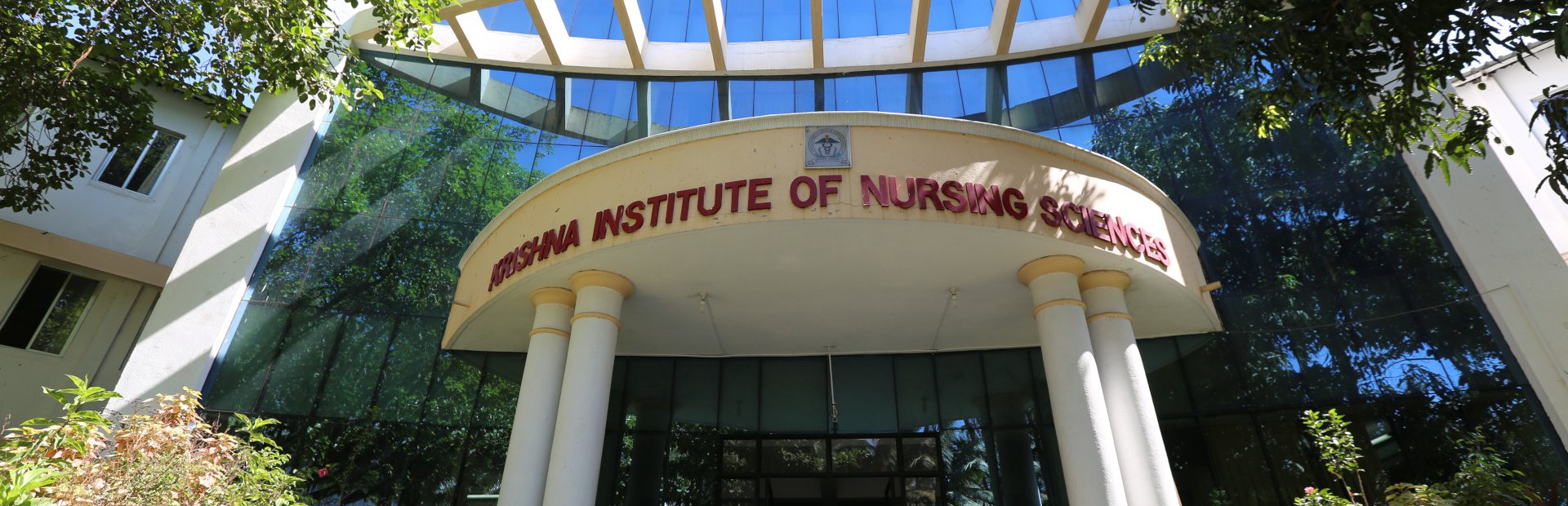
KRISHNA INSTITUTE OF NURSING SCIENCES,KARAD
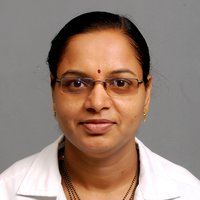
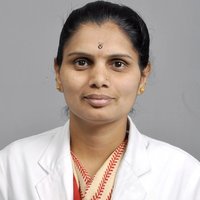
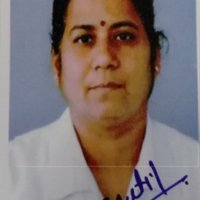
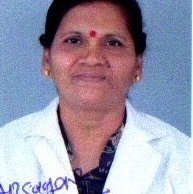
Head of Department
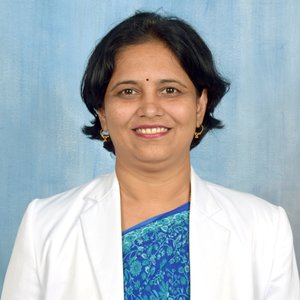
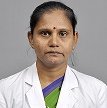
DR. (Mrs.) Vaishali Rajsinh Mohite
Dean
Department Hub
About the Department
Krishna Institute of Nursing Sciences (Faculty of Nursing Sciences) From the early Christian period until the beginning of the 19th century nursing as a profession was neither clearly defined nor properly organised. It was Florence Nightingale who changed the public perception and attitude towards nursing with her extraordinary commitment and in the process laid the foundation of nursing as a profession with purpose & direction. Today the nurse with her skills and knowledge plays very important position in the health care organisation. The nursing process approach is used to provide nursing care to patients by which students assess the client problems, formulate the nursing diagnosis, objective plan, implementation of nursing care and evaluating the effectiveness of care provided.
It was Florence Nightingale who changed the public perception and attitude towards nursing with her extraordinary commitment and in the process laid the foundation of nursing as a profession with purpose & direction.
Today the nurse with her skills and knowledge has a very important position in the health care organisation. Hospital nursing has became specialised with distinctive branches of critical care, neonatal and child care, cardiac care, burns, oncology, urology and nurses with special skills in operation theatre etc. However her traditional role as a person who cares for the sick, injured and disabled has assumed greater importance with her even higher aim of promoting health and preventing illness.
Year of Establishment: 2006
Recognition: Indian Nursing Council / Maharashtra Nursing Council
Medium of Instruction: English
Our Vision
The Krishna institute of Nursing sciences (KINS) aspires to become internationally recognised in improving the health of diverse populations by providing the highest quality nursing education, scholarship, and practice at the Baccalaureate, Master's and Doctoral levels.
Our Mission
The Krishna institute of Nursing sciences (KINS) prepares diverse and highly competent nursing professionals to serve as leaders by offering excellent, accessible, and relevant programs to the National and International. The KINS achieves excellence through a commitment to community partnerships, service, educational advances, and knowledge generation with its translation into nursing practice.
Objectives
The nurse on completion of this course will be able to:
On completion of the Nursing program, the graduates will be able to
- Utilise critical thinking to synthesise knowledge derived from physical, biological, behavioural sciences, and humanities, in the practice of professional nursing and midwifery
- Practice professional nursing and midwifery competently and safely in diverse settings, utilising caring, critical thinking and therapeutic nursing interventions with individuals, families, populations and communities at any developmental stage and with varied lived health experiences.
- Provide promotive, preventive and restorative health services in line with national health policies and programs.
- Integrate professional caring into practice decisions that encompass values, ethical, and moral and legal aspects of nursing.
- Respect the dignity, worth, and uniqueness of self and others.
- Apply concepts of leadership, autonomy and management to the practice of nursing and midwifery to enhance quality and safety in health care.
- Utilise the latest knowledge and skills related to information and technology to enhance patient outcomes.
- Communicate effectively with patients, peers, and all health care providers.
- Utilise the requisite knowledge, skills and technologies to practice independently and collaboratively with all health professionals applying the principles of safety and quality improvement.
- Integrate research findings and nursing theory in decision making in evidence-based practice.
- Accept responsibility and accountability for the effectiveness of one‘s own nursing and midwifery practice and professional growth as a learner, clinician and leader.
- Participate in the advancement of the profession to improve health care for the betterment of the global society.
Infrastructure
1. Lecture Theater: Well-equipped lecture theaters with modern teaching aids such as projectors, whiteboards, audiovisual equipment, and comfortable seating arrangements is available for conducting lectures and theoretical instruction.
2. Laboratories: Different types of laboratories are there to provide hands-on training to students. These may include anatomy and physiology lab, microbiology lab, nursing skills lab, simulation lab, and computer lab.
3. Library: A well-stocked library is available for nursing students to access textbooks, reference materials, research journals, and other relevant e-resources. Library have a variety of print and digital resources, study spaces, and computer terminals.
4. Nursing Skills Lab: A dedicated nursing skills lab is available for students to practice and develop clinical skills in a controlled environment. It is equipped with medical mannequins, training models, medical equipment, and simulation technologies to simulate real-world patient care scenarios.
5. Simulation Center: Simulation centers play a vital role in nursing education. These facilities replicate clinical environments and provide students with opportunities to practice and refine their clinical decision-making skills. Simulated patient scenarios, high-fidelity mannequins, and advanced simulation equipment are available.
6. Auditorium or Lecture Hall: An auditorium or lecture hall is available to conduct large group lectures, seminars, conferences, and presentations with audiovisual capabilities, comfortable seating, and adequate space to accommodate a significant number of attendees.
7. Student Common Areas: Seprate spaces are available for male and female relaxation and interaction for fostering a sense of community among nursing students.
8. Clinical Training Facilities: Krishna Hospital and Medical Research Centre, Karad had a modest beginning with 200 beds hospital in one of the remotest areas in southern Maharashtra in the year 1982. Over the span of last 3 and a half decades the hospital has grown to an 1125 beds multi-speciality hospital. The hospital was accredited by NABH in the year 2016 and then reaccredited in the year 2019. The NABH accreditation has ensured that protocols are streamlined and as per internationally accepted best practises.Krishna hospital is committed to provide standard treatments and quality care. Quality care involves specialized techniques, instrumentation, infrastructure and knowledgeable and skilled professionals. In our country where primary health care still remains a priority, our aim is to bring quality health care within reach of people living in villages.Krishna Hospital is an institute that resonates the coming of age of medical services in India. May it be a day to day regular ailment or a concern that requires specialty services and care it can all be found here. A team of expert doctors with decades of experiences highly trained nursing and ancillary staff, latest equipment and machines handled by skilled technical staff and a strong backbone of support services has helped elevate Krishna Hospital to a premier health care institute. The hospital with a capacity of 1125 beds, 32 wards, 8 different ICUs has added a number or various capabilities over the years, however has always stayed true to its DNA of “affordable, quality medical services for all”.
9. IT Infrastructure: Robust information technology infrastructure is available for nursing students. This includes high-speed internet connectivity, computer networks, servers, and support systems to facilitate online learning, student information management, and communication.
10. Study Areas: Dedicated spaces for individual or group study, equipped with comfortable furniture, electrical outlets, and a quiet environment for students to study effectively.
11. Research Facilities: Research facilities, including laboratories, data analysis software, and research support services, enable faculty and students to conduct research projects.
Teaching Methodology
1) Experiential Learning
2) Integrated learning
3) Participatory Learning
4) Self Directed Learning (SDL)
5) The Humanities
6) Project-based learning
7) Role plays
8) Evidence based learning-
9) Field learning