General Medicine
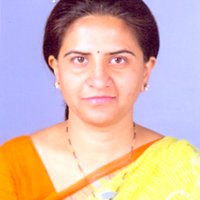
Head of Department
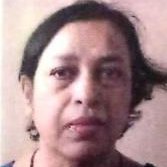
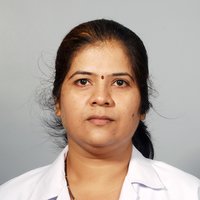
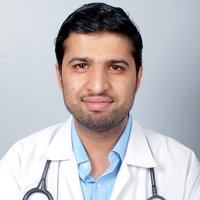
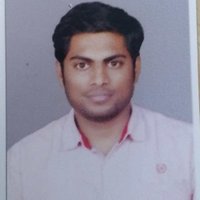
Dr. Swati Chandrashekhar Aundhakar
Professor & Head.
Department Hub
About the Department
Department of General Medicine is established since year 1982 and functioning fully with escalating the clinical work turnover. All teaching staff is highly qualified and well experienced.
The Scope of the Department
- Our department provides services in specialty of General Medicine.
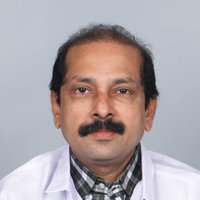
- Currently Cardiology Operates as our subsidiary division under the expertise of Dr Abhijit Shelke, and Dr. Vijaysinha Patil.
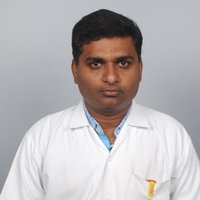
- Neurology also operates as a subsidiary division under the Dr. Abraham Kuruvilla.
- We operate 3 different ICUs comprising 37 beds providing the ultimate in Emergency Medicine and Critical care.
- Our Dept., is also committed to community services and organizes regular health camps in distant rural and underdeveloped urban areas.
- Five villages (Khubi, Lawanmachi, Gondi, Shere and Dushere) in Satara and Sangli districts have been adopted by Krishna Hospital to provide free medical treatment and health check-ups.
Current status of department
- Through knowledge and through training, our department is committed to Teaching the undergraduates and postgraduate Residents, fighting diseases and providing quality care to our patients through ultramodern equipment's with compassion.
- The conditions that we treat range from Heart diseases, Diabetes, Allergies, Neurological diseases, Liver diseases, autoimmune diseases, Gastrointestinal disease and a variety of tropical diseases (emergencies like complicated Dengue and Malaria), etc.
- We are also researchers who work in tandem with departments to carry out many research activities.
- Our department is also involved actively in COVID-19 Pandemic (our department stretched up to 500 bed capacity during the pandemic
Our Vision
To deliver the best in primary care and sub-specialty to the community at large.
To train the residents to deal with both common and complex diseases occurring in the society (including Pandemic like COVID-19).
To develop competent Indian Medical Graduate (IMG) and Post graduate through Competency Based Medical Education (CBME)
To contribute national health care delivery and implementing health care policies
Adopting novel teaching methods and applying latest treatment strategies in patient management.
Emphasis is on Evidence based medicine (EBM) and integrated approach in teaching and patient management
To promote attitude, ethics and communication (AeTCOM) in UG and PG students
Effective use of Information and communication technology (ICT)
To promote research and innovation
Our Mission
To develop excellent undergraduates (MBBS) and post- graduates (MD General medicine) to meet the present and future needs of the nation in the field of General Medicine using modern information technology and human resource development innovations.
Objectives
- To perform a thorough and efficient history and physical examination and to effectively communicate patient care information to patients and colleagues in a logical, organized and thorough manner.
- To use laboratory data to support the findings on physical examination.
- To interpret, appropriately, the results of diagnostic tests and determine how the results influence patient management
- To formulate and carry our plans of care based on both medical and psychosocial assessment with the patient's consent
- To develop a safe, cost-effective and evidence/outcomes-based approach to patient evaluation and management plans
- To develop effective communication and interpersonal relationship skills with patients and colleagues
- To understand medical-ethical principles and legal issues (advance directives, informed consent, confidentiality, professional-patient relationship) and their application in the practice of clinical medicine
- To develop the knowledge of the principles of nutritional assessment and intervention
- To assess and manage occupational and environmental health problems and promote interventions to decrease risk
- To review deaths and correlate with clinical presentation
- To understand the unique health care needs, presentations, key management strategies and the importance of an interdisciplinary approach to specific patient populations (i.e. geriatrics, adolescents)
- To become familiar with practice management issues (i.e. time management, office organization and record keeping) types of practice settings and/or incorporations, types of insurance, use of staff, assessing patient satisfaction and continuous quality improvement issues
Infrastructure
| S.No. |
NAME OF THE ITEMS |
Quantity |
| 1. |
B.P. Apparatus (Mercury containing instruments should be replaced by digital or other suitable alternatives) |
60 |
| 2. | Ophthalmoscope | 8 |
| 3. |
X-ray viewing box |
12 |
| 4. |
Flexible Video End viewing Oesophago-Gastroduodenoscope (optional) |
1 |
| 5. |
Flexible Video Colonoscope (optional) |
1 |
| 6. |
Flexible Video Side viewing Gastroduodenoscope for ERCP (optional) |
|
| 7. | Proctoscope | 10 |
| 8. |
Bed side cardiac monitors |
44 |
| 9. |
Central Cardiac monitor Console |
|
| 10. | Defibrillator | 6 |
| 11. |
Non-invasive B.P. Apparatus |
42 |
| 12. |
Pulse oximeter |
44 |
| 13. |
Equipment for Cardiac pacing |
2 |
| 14. |
Ambu bag |
13 |
| 15. | Laryngoscope | 16 |
| 16. |
ECG machine |
7 |
| 17. |
Echocardiography machine |
1+2 |
| 18. |
Hemodialysis machine |
6 |
| 19. |
Peritoneal dialysis catheters |
|
| 20. |
Arterial blood gas analyzer |
1 |
| 21. | Glucometer | 9 |
| 22. |
Invasive Mechanical Ventilator |
22 |
| 23. |
Non Invasive mechanical ventilator (Maybe shared with TB and CD) |
22+5 |
| 24. | Nebulizer | 14 |
| 25. |
Multimedia Projector with Screen |
2+ lecture hall 1 |
Teaching Methodology
- Interactive large group teaching
- Small group teaching
- CME’s, Seminar, Workshop, Conference etc.
- Monthly video conferencing sessions with Johns Hopkins University, Baltimore, (Global Grand Rounds in Infectious Disease (GGRID)
- LGT, SGT, PBL, SDL, Narration, reflective learning, CBL, OMP, EBM,Integrated teaching, Role play etc additional teaching program for potential learnersEmphasis on Collaborative research, ICMR research projects, Dissertation and log book MiniCex