Community Medicine
Head of Department
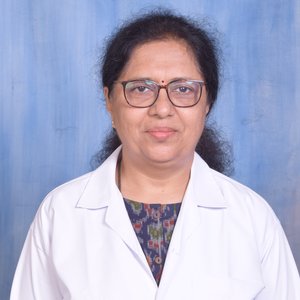
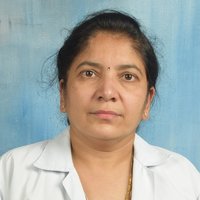
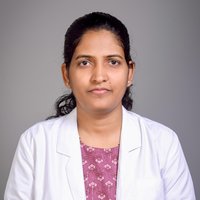
Dr. Vasundhara Vijay Ghorpade
Professor & HOD
Department Hub
About the Department
The Department of Community Medicine assumes great importance as it trains students in community setting. Students are oriented for rural setting. The two flagship programs of the union health ministry viz. NRHM & NUHM are launched in an attempt to provide quality health care and to supplement the already ongoing National health programmes. Krishna Institute in its 25 years of Community services has set clear objectives for training community physicians.
Our Vision
To promote globally competitive training in the fields of graduate & post-graduate Community Medicine Education & Research with emphasis on problem based training.
Our Mission
To prepare competent manpower with sound knowledge & excellence through
Quality education
▪ The students & the faculty should able to
▪ Organize epidemiological studies to identify health problems.
▪ Plan, implement & evaluate various health programmes, especially national health,
Family welfare & disease control/ eradication programme.
▪ Select, train, supervise & manage various categories of health personnel working
With them.
▪ Carry out the range of services that health setting must delivery to meet the
Requirements of relevance, quality, cost- effectiveness & equity in health
Objectives
The general objectives of the training programme in Community Medicine will be to enable a candidate to be a:
- Teacher/trainer to :-
- Plan and conduct an educational session/programme. He / She will be able to draw up lesson plan with details of educational objectives, Content, process and essential inputs.
- Assist in development of curriculum, teaching and learning activities and methods of evaluation.
- Assist in manpower planning and development. He / She should be able to participate in programmes for the selection, training and supervisions of various cadres of health personal.
- Researcher to :-
- Plan and execute a research study including epidemiological and clinical trials. Use/Organise biostatistician analysis using computers and software’s and prepare reports/papers.
- Critically evaluate research activities.
- Make recommendations on policy and procedures.
- Update knowledge using library.
Public Health Specialist to :-
- Define and manage the health problems of the community, which he/she serves. He / She should be able to organise epidemiological studies to identify health problems.
- Plan, implement and evaluate various health programs in his / her area, especially National Health, Family Welfare and disease control / eradication programmes.
- Select, train, supervise and manage various categories of health personnel working with him/her.
- Organise health care services, routine and for special groups and during period of special needs such as disasters / calamities and epidemics.
Teaching Methodology
- Core (90%), Non core (10%),
- Interactive Lectures using A-V aids,
- SGTs: Practicals, SGDs, Demonstrations, DOAP, Seminars
- SDL
- Family Adoption Program
- Visits
- Electives
- Problem Based Learning
- Evidence based public health
- Integrated Teaching: Linker cases
- Clinical case presentation infield practice area.
- Role play