Allied Sciences
Head of Department
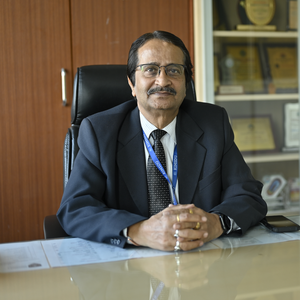
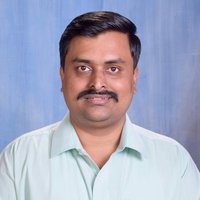
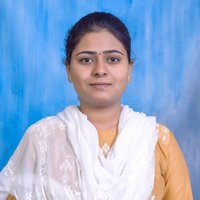
Dr. Girish R. Pathade
Professor and Head & Dean, Krishna Institute of Allied Sciences
Department Hub
About the Department
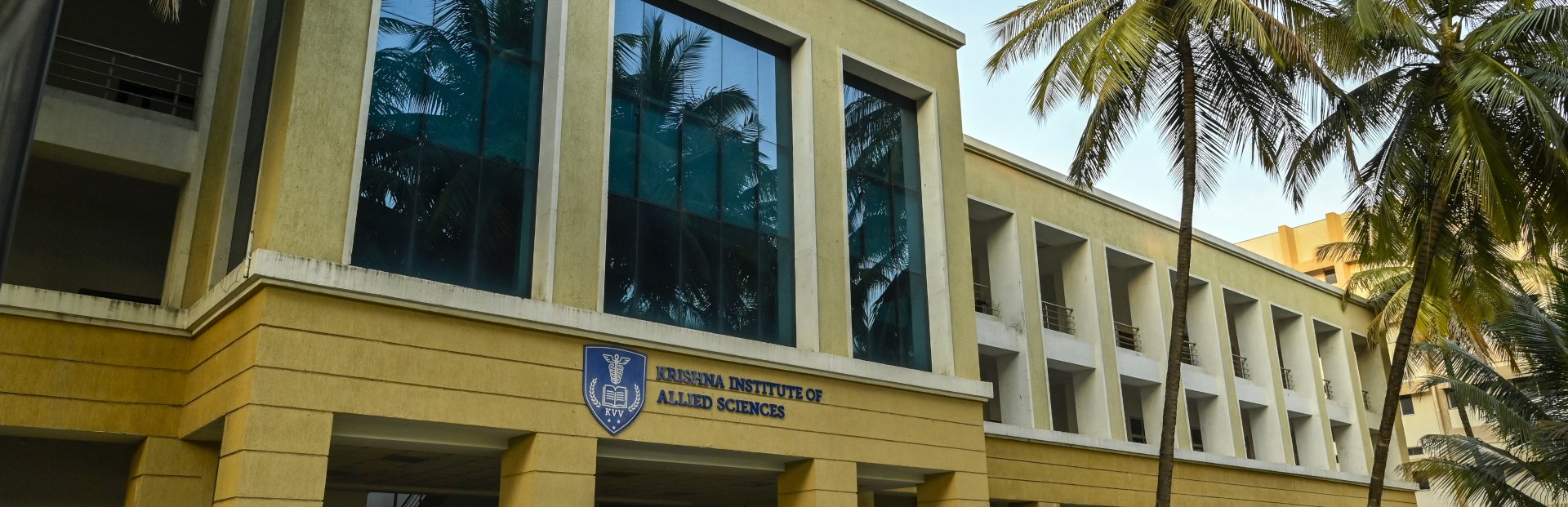
Krishna Institute of Allied Sciences has established in 2007 under Krishna Institute of Medical Sciences “Deemed to be University,” Karad. Presently under Krishna Institute of Allied Sciences, the institute offers M.Sc. Biotechnology, M.Sc. Microbiology, M. Sc. Pharmaceutical Microbiology, M.Sc. Environmental Science, B.Sc. Microbiology, B.Sc. Biotechnology, PG Diploma (Fermentation Technology, Food Processing & Preservation Technology), and Ph.D. programs. Keeping in view the modern, developing, and application aspects of the subjects in Life sciences. The institute focuses on a multidisciplinary approach, to shape the students’ careers in accordance with the regional and national needs of society and to keep pace at par NEP-2020. Presently, the Choice Bases Credit System (CBCS) pattern has been introduced across all the courses, so that the students are exposed to a large area of various courses, Krishna Institute of Allied Sciences provides a conducive environment for students which helps them to achieve good placements in Research and academic institutions. Krishna Institute of Allied Sciences has a good number of MoUs with academic institutions and industries which help in increasing collaborative activities.
Our Vision
1) To establish a well-developed post-graduate department of Biotechnology, Microbiology Pharmaceutical Microbiology, and Environmental Science.
2) To establish the department as “Biotechnology, Microbiology Pharmaceutical Microbiology, and Environmental Science Research Centre”.
3) To establish links with industry and industry personnel for good placement of the students.
4) To align programs and courses with NEP-2020.
Our Mission
To prepare Competent, Smart, and Dynamic Biotechnologists, Microbiologists, Pharmaceutical Microbiologists, and Environmentalists that are required in academic institutes, research and professional organizations, and in various industries such as Biotechnology, Pharmaceutical, Food & Dairy Industries, for Environmental Audits, Consultancies, and development of state of the art research center.
Objectives
The principle objectives of the programs:
- To communicate basic knowledge in Biotechnology, Pharmaceutical Microbiology, Environmental Science, and Microbiology through the teaching of Molecular Biology, Biochemistry, Cell Physiology & Metabolism, Tissue Culture, Bioinformatics, Medical Microbiology, Immunology, Environmental Sciences, etc.
- To give exposure to the detailed theoretical knowledge of various branches of Biotechnology like rDNA Technology, Environmental Biotechnology, Industrial Fermentations, Microbial Technology, Immunology, Pharmaceutical Biotechnology, etc.
- To help students understand the microorganisms such as eubacteria, archaebacteria, rickettsia, actinomycetes, fungi, etc. with their characteristics, physiology & metabolism, molecular genetics, enzymes, etc.
- To give students detailed knowledge about the use of microorganisms for waste treatment, fuel production, and bioleaching of metals.
- To make students understand how to control microorganisms using various physicochemical agents and how activities of microbes have been exploited in the industry for the production of alcohols, antibiotics, organic acids, vitamins, amino acids, vaccines, plant hormones, etc.
- To give the student exposure to Research methodology through the project work and instill in them research aptitude.
- To give them exposure to Industrial setup and Industrial work culture by way of organization of study tours/ Educational Visits to Industries.
- To give rigorous practical training to the students so as to make them competent to work comfortably in Biotech/ Pharmaceutical Industries
Infrastructure
1) Smart Classrooms
2) Tissue Culture Laboratory (ATC/PTC)
3) Molecular Biology and Genetics Laboratory
4) Departmental Library and Student Reading Room
Teaching Methodology
Various student-centric learning methods are adopted to ensure that students are active participants than remaining passive listeners in the teaching-learning process. Some of these methods are:
- Student seminars-preparation of topics by the students, for the students with the guidance from Teacher.
- Models and Charts preparation by students on selected topics to enhance their skills.
- SDL (Self Directed Learning)-Giving selected topics as home assignments.
- Participatory Learning- Students actively participate in the symposium, debates, and essay competitions on various topics during the celebration of various days such as the Birth Anniversary of Karl Erecky the Father of Biotechnology, the Birth Anniversary of Daniel Nathans the Father of Modern Biotechnology, the Birth Anniversary of Louis Pasteur the Honorary Father of Microbiology and Biotechnology.
- E-learning: computer-based learning, web-based learning
- Group Discussions: Communicative situation allows the participants to share their views and opinions with other participants.
- Field learning - Industrial visits of the students give them an idea about the translation of theoretical knowledge into practice & give them exposure to industrial setup, industrial system of work, and how work goes on in each unit of industry like production, Quality Control(QC), Quality Assurance (QA), R&D